Wellness Insights
Expert advice on physiotherapy, health, and wellbeing from our team

A Conversation with Laura Wilson: Health Architect and Cofounder of Swiss Touch
Laura Wilson describes herself as a Health Architect. In this conversation she explains what that means, why she works between disciplines rather than inside any one of them, and how continuity, prevention and root cause thinking sit at the heart of the care she provides to a complex, international clientele.

Getting to Know Our Team: Beth
At Swiss Touch, the relationship between a patient and their physiotherapist sits at the heart of everything we do. So we thought it was about time we introduced you properly to the people behind that care. First up, we sat down with Beth to find out a little more about her background, her approach, and what makes her tick outside of the clinic.

Getting to Know Our Team: Georgie
At Swiss Touch, the relationship between a patient and their physiotherapist sits at the heart of everything we do. Continuing our series introducing the people behind that care, we sat down with Georgie, Senior Physiotherapist at our Kensington clinic, to find out more about her background, her approach, and what makes her tick outside of the clinic.

If You Are Visiting London This Summer, Here Is Why International Families Choose Swiss Touch
If you are searching for private physiotherapy in London this summer, the chances are you are looking for something quite specific. Not simply a clinic, but a practice that understands the particular needs of a family or individual whose life is organised across more than one country.

Continuity of Care for International Patients: Why Communication With Your Home Physician Matters as Much as Treatment
One of the most common concerns we hear from international patients arriving in London, whether for a single appointment or an extended stay, is a version of the same question. Will the care I receive here connect properly with the care I am already receiving at home, or will I be starting again from nothing?

Physiotherapy for Visiting International Families in London: Coordinated Care That Travels With You
Every summer, London becomes a temporary home for a significant number of international families, many from the Gulf, from India, and from across Europe and Asia, who base themselves in the city for weeks or months at a time. For these families, healthcare needs do not pause simply because they are away from home.

Private Physiotherapy in Kensington: Clinical Excellence for Those Who Expect More
There is something we feel very strongly about at Swiss Touch. That having access to brilliant specialists does not always translate into feeling well, or knowing what to do next. The missing piece, more often than not, is someone who genuinely listens, remembers the details, and understands how every aspect of your health connects.

Back Pain Physiotherapy in Mayfair: Why Most Back Pain Is Being Treated at the Wrong Level
Back pain is the most common reason people seek physiotherapy in London, and it is also, in our experience, the condition most frequently addressed at the wrong level. The presenting complaint is treated. The pain is managed. And the patient is discharged with a set of exercises and the reasonable expectation that the problem has been resolved. In a significant proportion of cases, it has not. It has been quietened.

Neck Pain and Tension in London: The Clinical Reality of Living Under Sustained Pressure
There is a particular quality of neck pain that we see consistently at Swiss Touch, and it is one that most of our patients recognise immediately when it is described to them. It is not acute. It is not the product of a single injury or an identifiable event. It is the accumulated result of months or years of sustained demand.

Private Physiotherapy in London: What to Look For and Why the Standard Varies So Dramatically
The private physiotherapy market in London is large, varied, and, for a patient trying to make an informed decision about their care, not always easy to navigate. Clinics range from excellent to adequate, and the signals that distinguish one from the other are not always visible on a website or apparent from a first appointment.

Sciatica and Lower Back Pain in London: Why the Diagnosis Matters as Much as the Treatment
Sciatica is one of the most common presentations we see at Swiss Touch, and one of the most commonly misunderstood. The term is used frequently, by patients, by GPs, and occasionally by clinicians, as a description of a symptom rather than a diagnosis. Pain radiating from the lower back into the leg, often accompanied by numbness, tingling, or weakness, is almost universally referred to as sciatica.

Shoulder Pain Physiotherapy in London: Why the Shoulder Is the Joint Most Likely to Be Mismanaged
The shoulder is the most mobile joint in the body and, by a considerable margin, the one we see most frequently mismanaged in clinical practice. This is not a criticism of the clinicians involved, it is a reflection of the genuine complexity of the joint and the significant clinical skill required to assess it accurately.
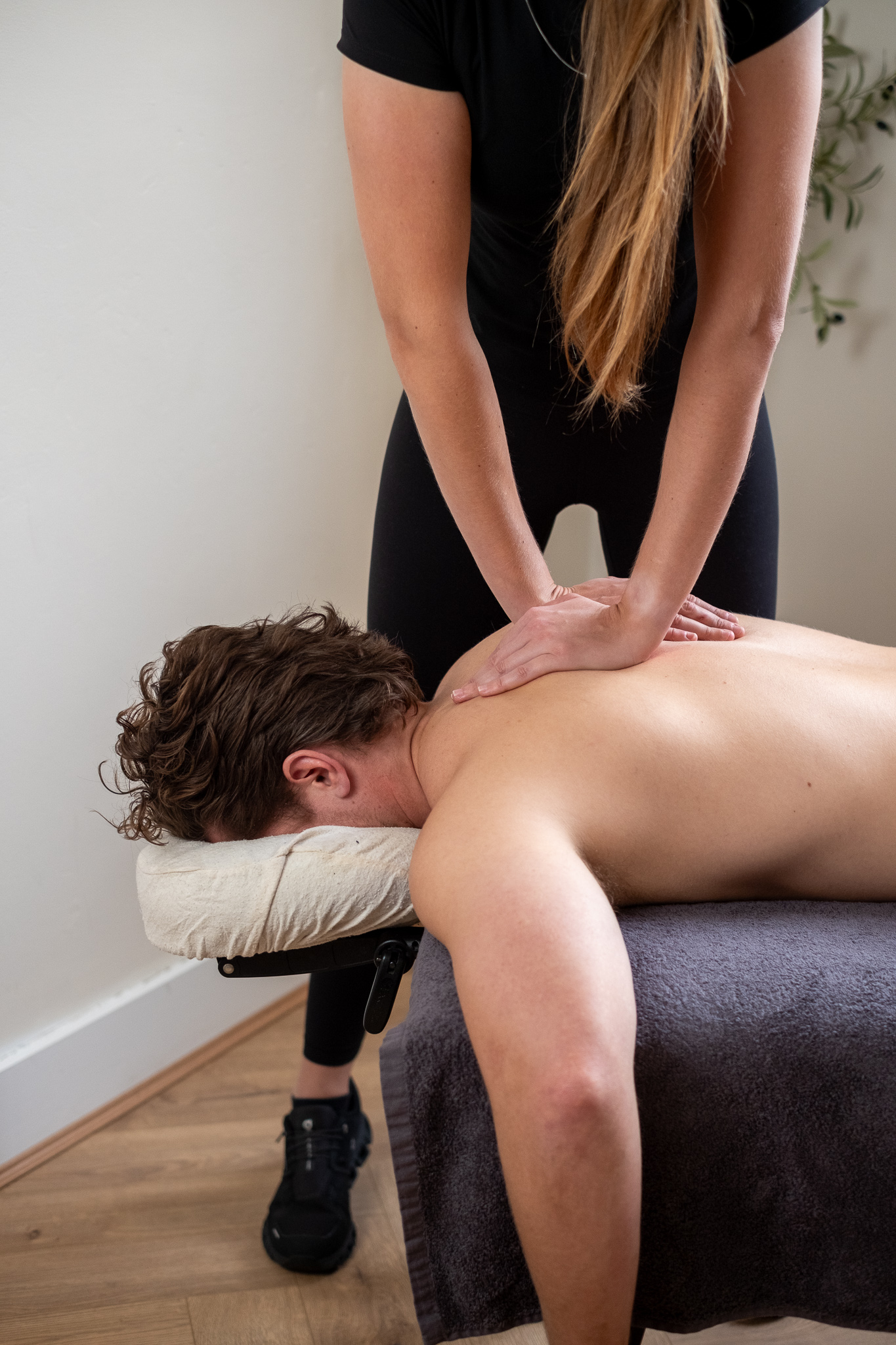
The Role of Physiotherapy in Regulating Your Nervous System
When most people think about physiotherapy, they think about the physical. What is less widely understood is the profound relationship between the musculoskeletal system and the autonomic nervous system, and how skilled physiotherapy can restore a nervous system pushed beyond its point of equilibrium.

What the World's Top One Percent Understand About Their Health That Most People Don't
There is a pattern visible, to anyone who works closely with the most high functioning individuals in the world, in the way they approach their physical health. It is characterised by rigour, consistency, and a clear eyed understanding that the body is the foundation of everything else.

Holistic Care in London: Why the Best Medical Concierge Networks Think Beyond the Appointment
The clients who come to Swiss Touch through the world's leading medical concierge networks have, almost without exception, already received excellent acute care. What brings them to us is the recognition that excellent acute care and genuinely comprehensive health management are not the same thing.

Physiotherapy and Longevity: Why Preventative Physical Health Belongs in Every Long Term Health Programme
The conversation around longevity medicine has arrived at a point of considerable sophistication. Physiotherapy has a precise and clinically significant role within this framework, and it is one that is only beginning to be fully integrated into the longevity programmes of even the most forward thinking practitioners.
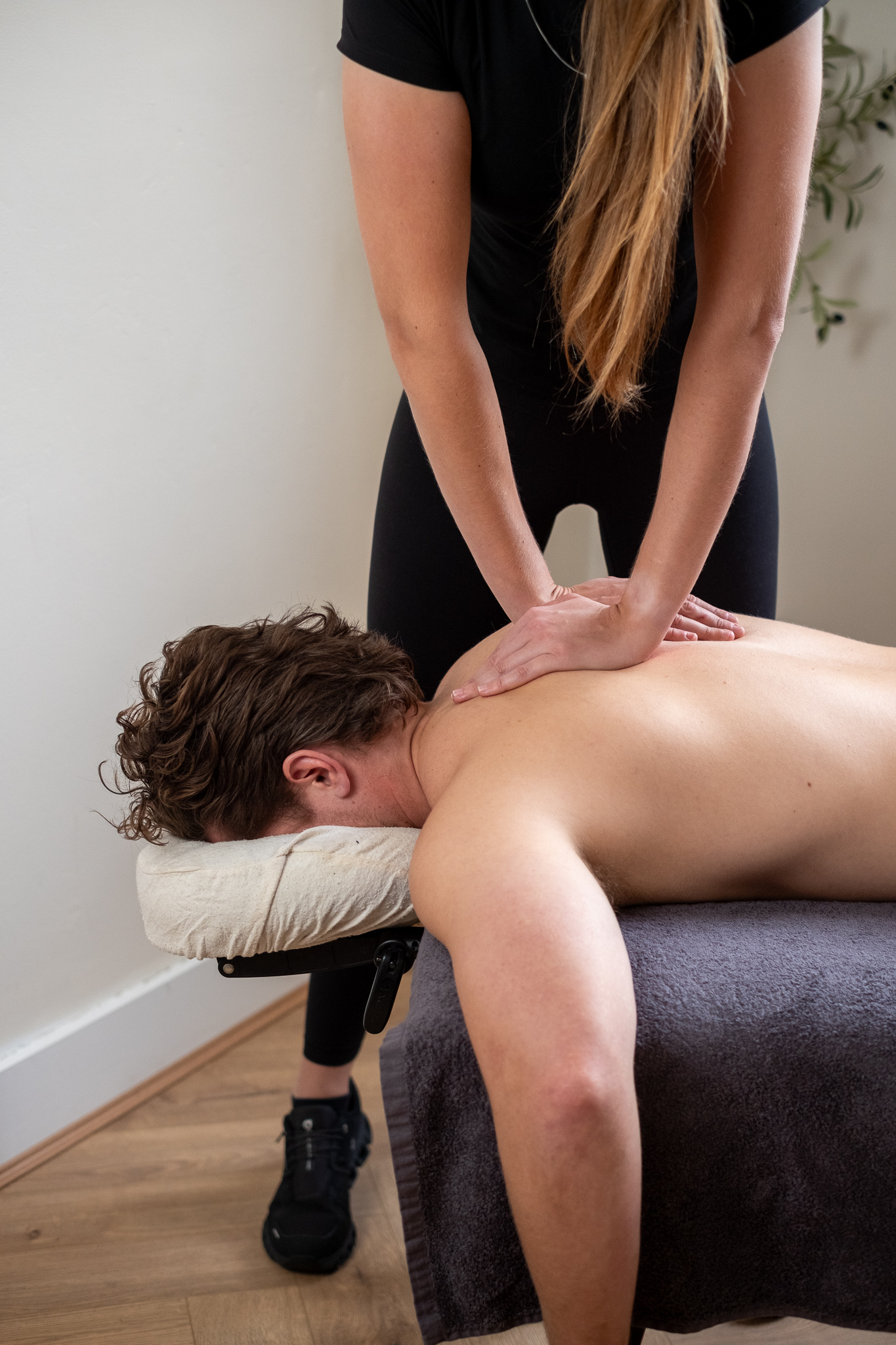
Physiotherapy for the International Traveller: Maintaining Physical Health Across Time Zones, Schedules, and Continents
The relationship between extensive international travel and physical health is one that receives considerably less clinical attention than it deserves. For clients whose lives require them to move continuously between cities and countries, the challenge is managing a body operating under chronic physiological stress.

Post Surgical Rehabilitation in London: Why the Quality of Your Recovery Determines the Quality of Your Outcome
Surgery, however expertly performed, is the beginning of a process rather than its conclusion. The outcome of an orthopaedic procedure is shaped as much by the quality of the rehabilitation that follows as by the technical precision of the surgery itself.

The Swiss Touch Approach: What Physiotherapist Led Care Looks Like When It Is Done Properly
There is a version of physiotherapy that has become somewhat reduced from what the discipline is capable of being. Swiss Touch was built around a different model, one brought from over two decades of clinical practice in Verbier.
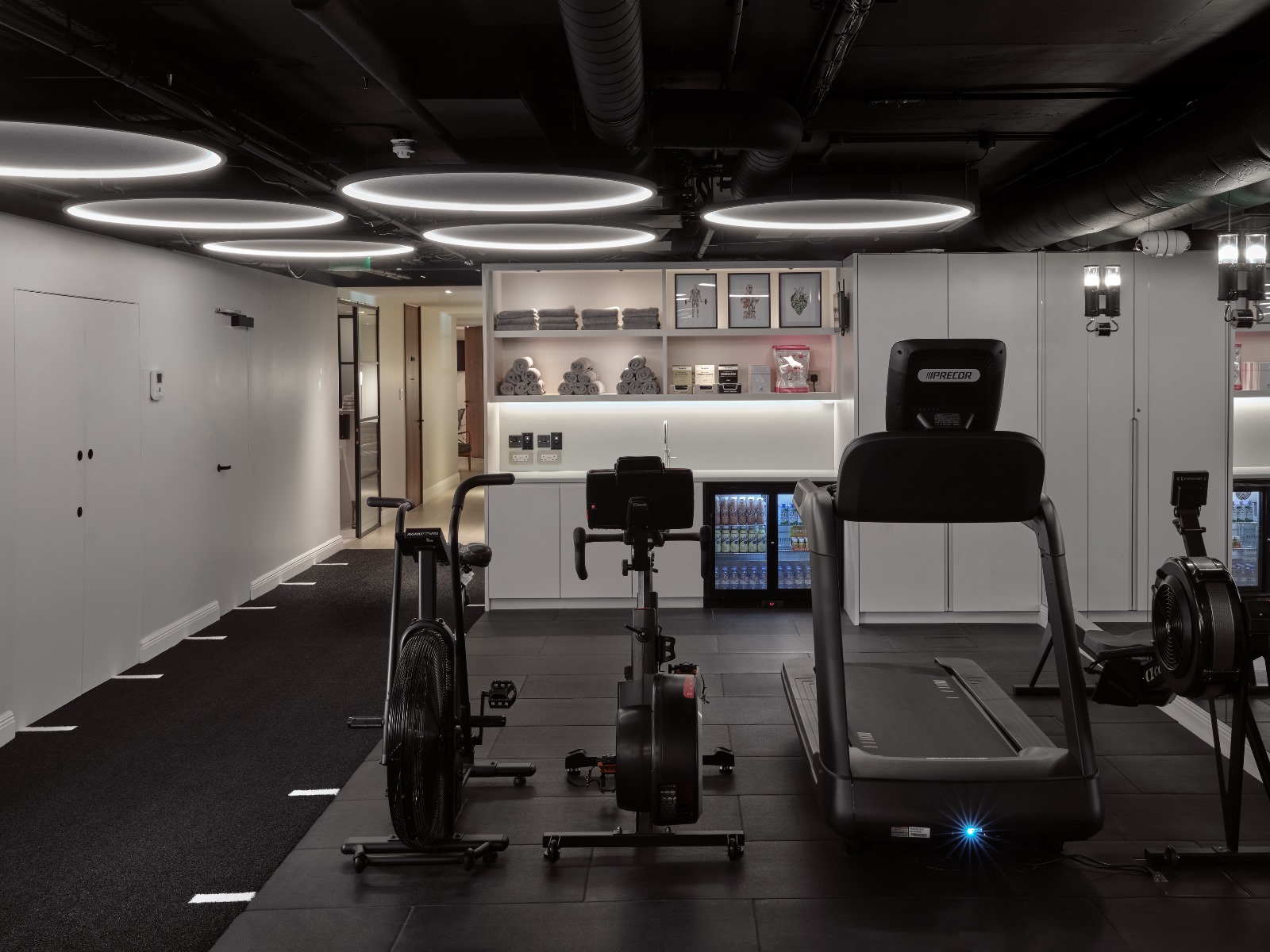
Physiotherapy as Preventative Medicine
The most sophisticated approach to health is not reactive. Among clinicians and longevity researchers, there is broad consensus that interventions of greatest value are those that precede dysfunction rather than respond to it.

What World Class Physiotherapy Actually Looks Like
Most people have experienced competent physiotherapy. For a certain cohort of patient, however, competence is not the threshold they are measuring against. The question is more demanding.

Consistency of Care for the World's Ultra High Net Worth Individuals
For ultra high net worth individuals, access to exceptional acute medical care is rarely the challenge. What matters more over time is continuity, coordination, and the quiet assurance that every stage of care is held to the same standard.

5 Desk Exercises to Relieve Tension and Improve Posture
Simple yet effective exercises you can do at your desk to combat the effects of prolonged sitting and maintain better posture throughout your workday.

The Importance of Sleep for Physical Recovery and Wellness
Discover why quality sleep is essential for muscle recovery, injury healing, and overall physical wellbeing, plus expert tips for optimising your rest.
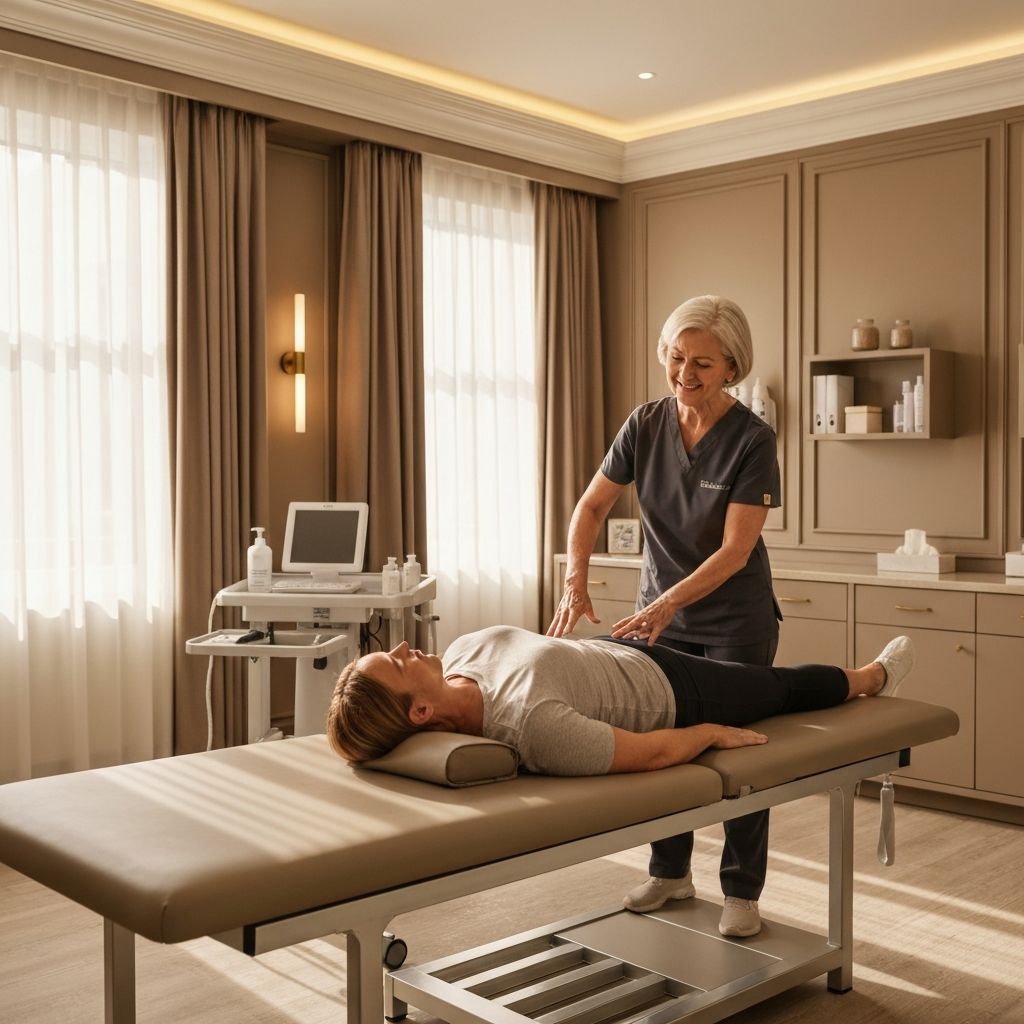
Understanding Lower Back Pain: Causes, Prevention, and Treatment
A comprehensive guide to lower back pain, one of the most common conditions we treat, including what causes it and how to find lasting relief.
Stay Informed on Your Health Journey
Our expert physiotherapists share insights to help you move better, feel better, and live better. Book a consultation to discuss your specific needs.
Get in Touch